
1. Charcoal Is No Longer a Commodity
For decades, charcoal was treated as a basic input—sourced, priced, and replaced with little strategic thought. That mindset is rapidly changing. Across professional kitchens, hospitality chains, food processors, and global supply programs, charcoal is now recognized as a performance component one that directly influences cooking consistency, operational efficiency, and brand reputation.
As professional operations scale and standards tighten, buyers are moving away from unpredictable, commodity-grade charcoal and toward engineered coconut charcoal briquettes designed for controlled, repeatable performance.
2. The Hidden Cost of Commodity Charcoal
At first glance, all charcoal may appear similar. In practice, commodity-grade products often introduce invisible risks—uneven heat release, inconsistent burn duration, excessive ash, and structural breakage during use or transport. These variables disrupt kitchen workflow, increase refueling frequency, and compromise temperature control during service.
For commercial environments, such inconsistencies translate into operational inefficiencies: longer cooking times, higher fuel consumption, fluctuating food quality, and increased labor intervention. Over time, what seems economical at purchase becomes costly in execution.
3. Why Performance Has Become Non-Negotiable
Professional buyers operate in environments where consistency is not optional. Whether it is a high-volume grill station, a hospitality kitchen serving hundreds of covers, or an export-focused food operation, heat stability and predictability directly affect output quality.
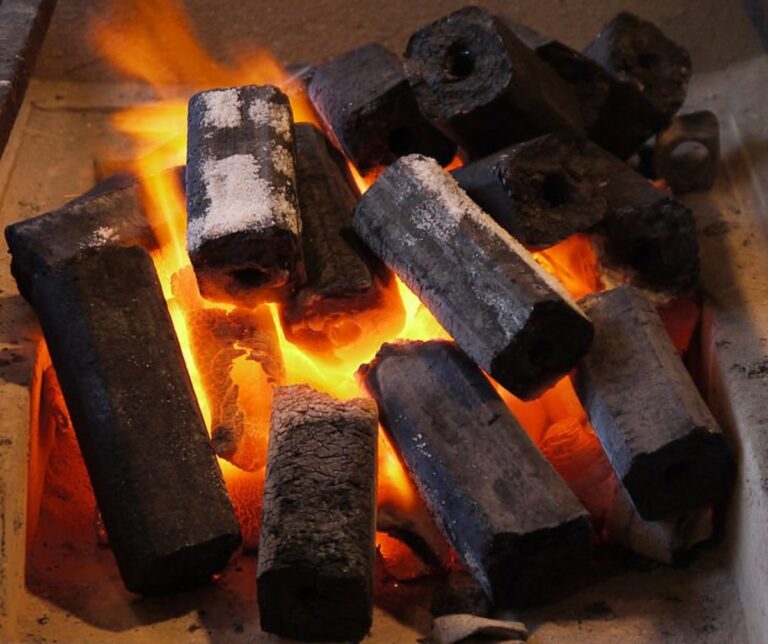
Engineered coconut charcoal briquettes are developed to eliminate variability. Controlled density, calibrated moisture levels, and structured airflow design allow each briquette to behave the same way—batch after batch, shipment after shipment. This predictability enables chefs and operators to focus on cooking outcomes rather than fuel management.
4. Sustainability Without Compromise
The shift toward engineered briquettes also aligns with environmental responsibility. Coconut shell charcoal is produced from an agricultural byproduct, eliminating the need for tree cutting while transforming waste into high-efficiency energy. Unlike traditional wood charcoal, this approach supports renewable sourcing without sacrificing performance.
For global buyers, this combination of sustainability and functional reliability strengthens compliance with environmental standards while meeting operational demands.
Performance That Matters
In today’s professional kitchens and large-scale operations, charcoal is no longer a background purchase it is a strategic input. The move from commodity charcoal to engineered coconut briquettes represents a broader shift in how fuel is evaluated: not by cost per bag, but by performance per service, reliability per shipment, and consistency per operation. Serious buyers now focus on sourcing performance, ensuring that every fire, every grill, and every dish meets the highest standards.